I Got Into CalArts. But at first, I was rejected. Here's What I Know About Getting Rejected.
INDUSTRY PERSPECTIVE · FROM THE DIRECTOR'S DESK
A 30-year animation industry veteran — on what the rejection letter actually means, and what it doesn't. The short version: “It tells you far less about your future than you think it does.”
When I first applied to CalArts, I was naive to what a portfolio should look like and got rejected for their animation program but accepted to the art program. After a month there, I hated it. So I begged them to let me transfer, and I got lucky. They let me move departments.
By the end of the year, I had worked so hard that I made the producers' show. I was 1 of 3 freshman who made it in that year out of 67. With my film, made in a classic Looney Tunes style and a decent portfolio, I got a revisionist job on Teenage Mutant Ninja Turtles that summer and never went back.
But stay with me. Because after CalArts, and then thirty more years working in the industry — on productions like The Simpsons, Looney Tunes, Pirates of the Caribbean, and Tomb Raider — and now building my own animation school from the ground up, I have a perspective on that rejection letter that I wish someone had handed me at 18.
What CalArts Is Actually Selecting For
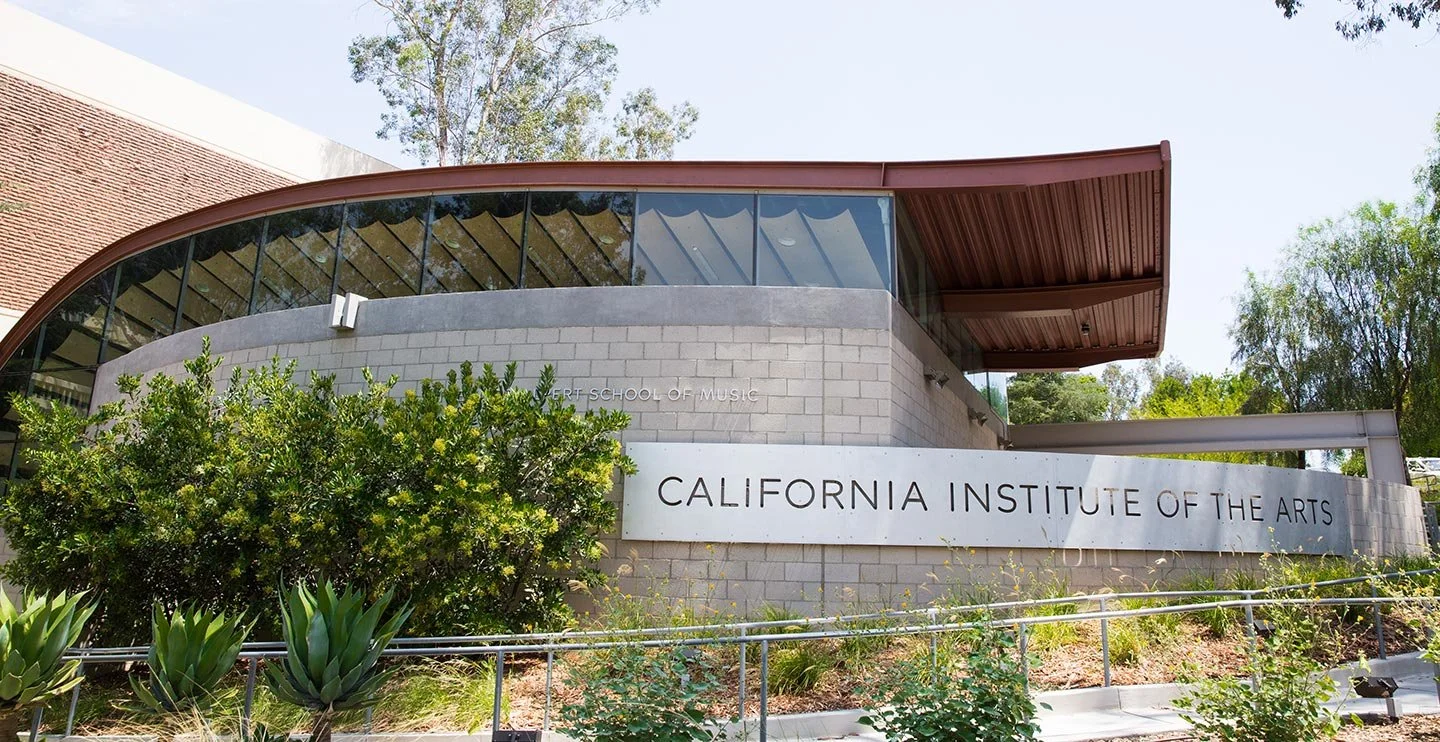
CalArts is a solid school. I'm not going to tell you otherwise - that would be dishonest, and you deserve honesty right now. The instructors are stronger than most other schools in the country because most have been working in the current industry. The peer environment is charged with ambition. The alumni network is real and it matters.
But here's what most people don't say out loud: CalArts accepts roughly 60-70 students into its Character Animation program each year. From over 1000 applicants spanning the entire world.
What that acceptance process is selecting for isn't simply "talent." It's a very specific aesthetic sensibility - the CalArts style - combined with portfolio work that resonates with that year's particular reviewers, combined with timing, combined with the luck of who else applied the same year you did. A portfolio that would have been accepted in 2021 might not be accepted in 2025 for reasons that have nothing to do with the artist who made it.
I've sat in enough industry rooms over thirty years to tell you: nobody in a studio hiring meeting has ever asked "but did they get into CalArts?" They pull up the portfolio. That's what gets evaluated. The CalArts name doesn’t open doors by itself, it just tells them the student went to one of the better schools, and that is it. If it were different, then every student from CalArts would be working, and that certainly isn’t true. Even the other colleges that boast high placement numbers are not really honest about how many of their students get industry jobs.
Some boast up to 90% placement. That would mean every person in the industry came from that school if the school had been around for even 20 years. The industry is just not that big.
Not all CalArts students get work. Only the ones who worked hard and have the right stuff do.
What the Industry Actually Needs Right Now
The animation industry is going through a real and painful contraction. The 2024 layoffs were significant. Studios that were expanding rapidly in the streaming era have pulled back hard. You know this. And it's probably the second reason, after the rejection letter itself, that you're questioning everything right now.
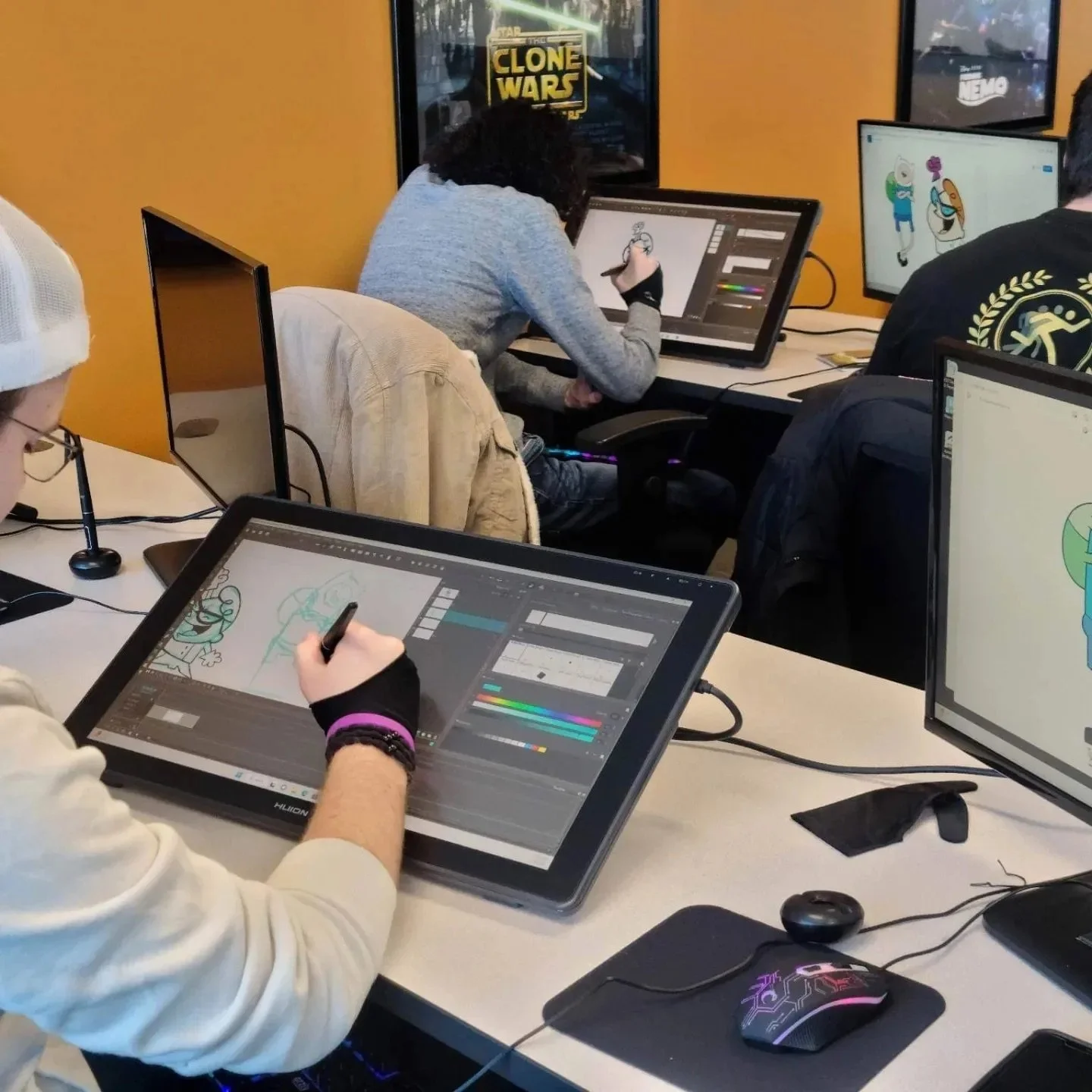
Here's the other side of that story: the industry will rebound. It always has. And when it does — and even right now, in the contraction — what studios are desperately short of is versatile artists. People who can storyboard and design characters and understand the full production pipeline. People who understand previz. People who can move fluidly between 2D and 3D and soon possibly AI. The industry wants storytellers who support the big picture, not idealists who will only work a certain way. For those artists, Indie studios are the best route, and I love seeing more of them sprouting up everywhere because they challenge the old with new creative ideas.
The animation schools that trained deep specialists in a single discipline are producing artists who are more vulnerable to disruption — from AI, from budget cuts, from shifting production models. The artists who survive and thrive are generalists with strong fundamentals who can move across a production. It didn’t used to be this way, but it is now.
When I built the curriculum at Hollywood Animation Academy, I did so around that insight — earned from three decades of watching who got hired, who got promoted, and who got let go as budgets tightened.
The Debt Question Nobody Wants to Ask
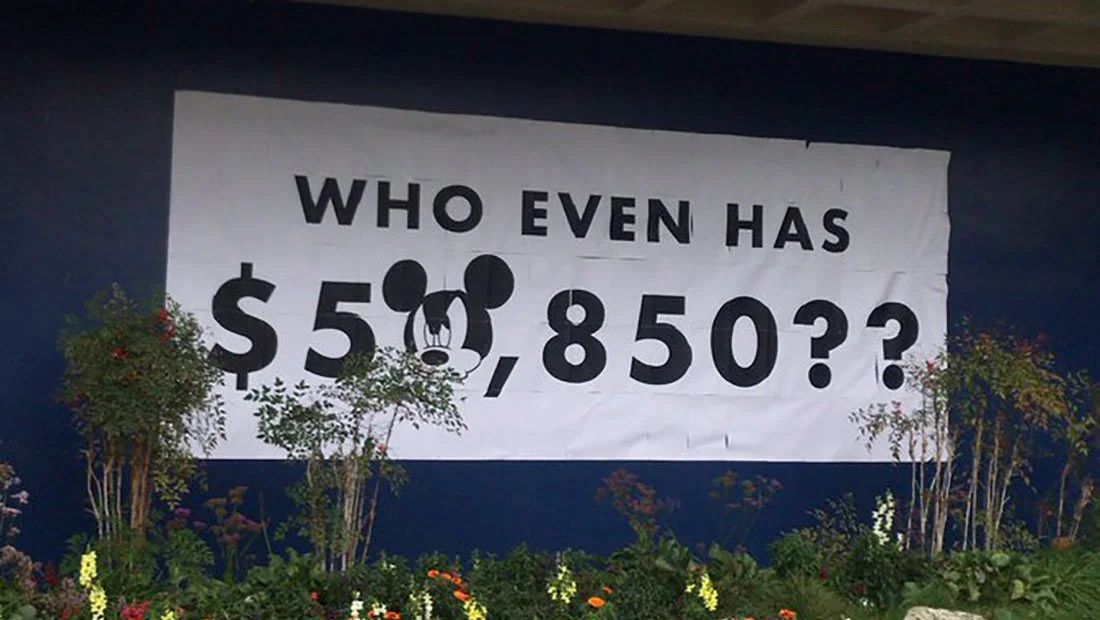
CalArts now costs close to $60,000 per year. Four years of a BFA can cost nearly a quarter of a million dollars, often financed almost entirely by student loans. As good as their instruction is, students have to split their classes between academics and animation which sets them on a slower path to completion.
I want you to sit with that number for a moment. Then think about what entry-level animation jobs pay. Then think about graduating into a contracting industry, carrying $200,000 in debt.
This isn't an argument against CalArts for students who can attend without crippling debt - scholarships, family support, or other means. For those students, the network and environment are genuinely valuable.
But for most of the students I talk to, the financial reality of a top-tier private art school is something the acceptance letter doesn't mention. The rejection letter, ironically, may have just saved you from a financial hole that would have taken a lifetime to climb out of.

What I'd Tell My 18-Year-Old Self
I'd tell myself that the school I attend shapes my network and environment. But the portfolio you graduate with shapes your career. And the portfolio you build depends entirely on the quality of instruction, the rigor of the feedback, and how hard you work - not the name on the building.
I'd tell myself that Walt Disney himself started his first studio right here in Kansas City - the city where I built Hollywood Animation Academy - before he ever set foot in Hollywood. That origin didn't limit him. It gave him a cost of living and a foundation to begin without the wolves of a bigger city attacking him.
I'd tell myself to find the best instruction available, build the strongest portfolio possible, and let the work speak for itself. Because that's all the industry ever actually asked of any of us.

What Comes Next?
If you're at this crossroads right now, I'd invite you to look at Hollywood Animation Academy. Yes, I’m proud to tell people about this school because it breaks the mold.
We do in 2 years what most can’t accomplish in 4 because we set it up like a studio with work hours from 9 pm to 5 pm. No academic classes, just pure classical animation for film and games and modern filmmaking.
Our instructors have credits on The Simpsons, Looney Tunes, Family Guy, The Prince of Egypt, Shrek, Hercules, Teen Titans Go! Iron Giant, Tomb Raider, Gears of War 2, The Thing, and more. Equally as experienced or more than CalArts.
Our curriculum covers 2D animation, 3D animation, storyboarding, character design, previsualization, and Unreal Engine Filmmaking — the full pipeline. Our classes are small with all-day support from directors in the room. Our feedback is real. And our graduates build portfolios that compete at the studio level. Because we adjust our assignments to today’s market. We do portfolio pieces with strategic intent, not student films that land very few jobs. You get 10 seconds to earn the next 10 seconds with your reel. Student films usually make it 5 seconds before directors start skimming through to find something applicable to their studio. Most fail this test.
This is not the student’s fault; it is the institution's fault for not giving the structure needed to guide students into more successful portfolio pieces.
If you're not ready to commit to a full program, start with our 8-week online intro course. $1,500. Real instruction from working industry professionals. No obligation. Come see what the work looks like before you make any big decisions.
It’s about knowing the right work to show in a portfolio and having the support to rise to an industry level. That comes from working with industry instructors.
The door that just closed isn't the last door. It might not even have been the right door.
Are you interested in learning more about our programs? We have online Intro Courses and full-time Certificate Programs - we have the right program for you!