The Truth About AI and the Future of the Animation Industry
Every time animation goes through a major technological shift, fear follows. Jobs will disappear. Art will die. Storytelling will become soulless. We’ve heard this before, because we’ve lived it before.
To understand where animation is going next, we need to look honestly at where it’s already been…
When 2D Animation Ruled the World
There was a time when 2D animation was the animation industry.
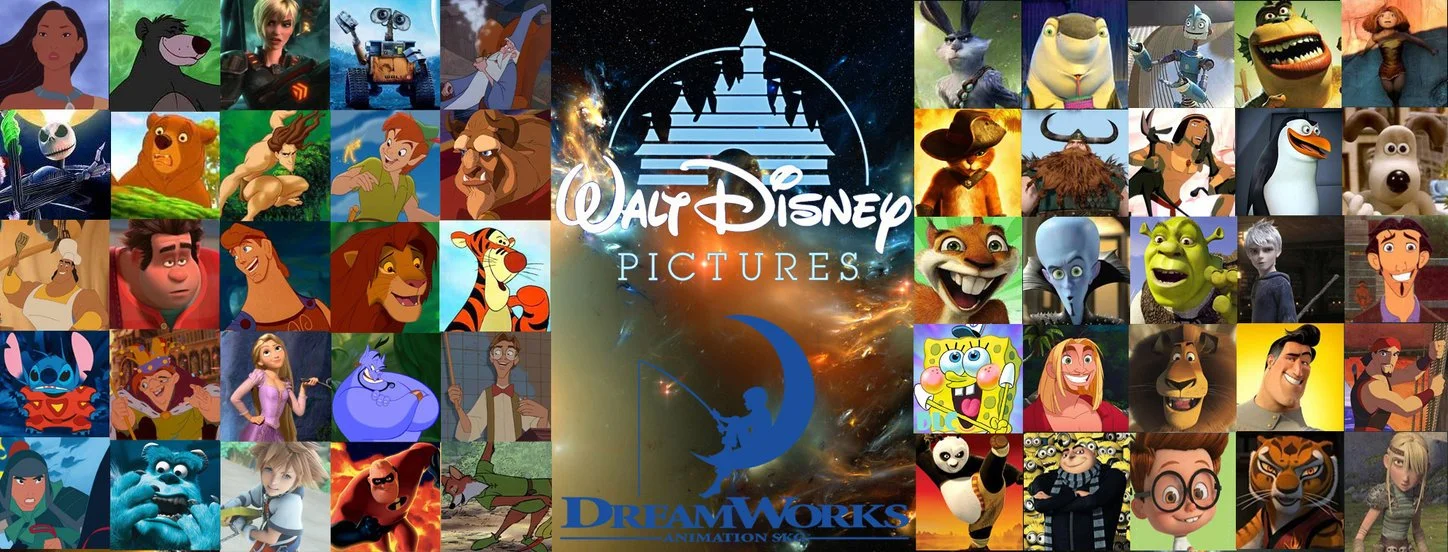
The late ’80s and ’90s were the golden years of hand-drawn feature animation. Films like The Lion King, Beauty and the Beast, Aladdin, and the early DreamWorks classics defined an era. These movies weren’t just successful, they were cultural events. Studios were built around massive teams of artists drawing thousands of frames by hand, and for a moment, it felt like this system would last forever.
But it didn’t.
The 3D Disruption: Fast, Complete, and Unstoppable
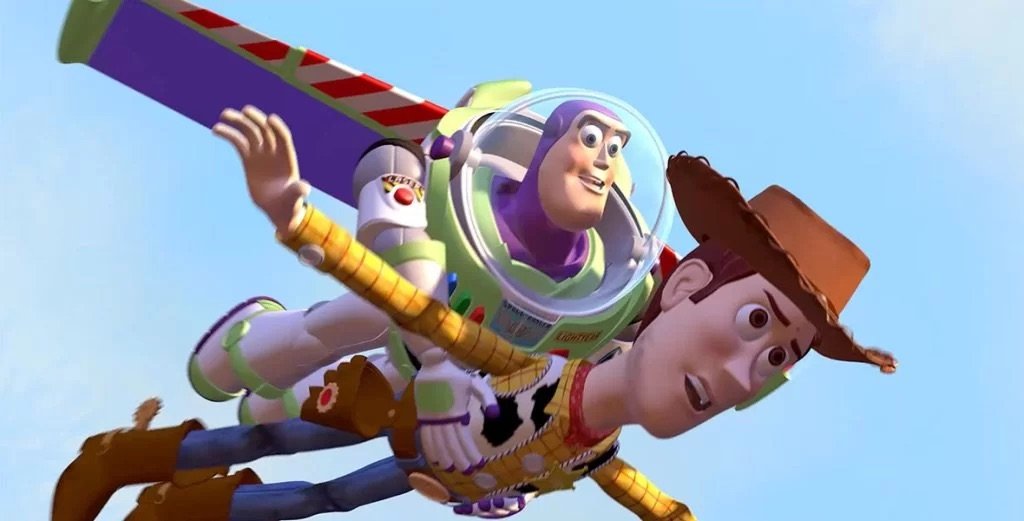
When Toy Story arrived, it wasn’t just a new movie, it was a warning shot.
Within six years, nearly every major studio feature pipeline switched from 2D to 3D. Six years. An entire dominant art form was suddenly no longer the default for theatrical releases. Many artists felt blindsided. Some adapted. Some didn’t.
And yet - here’s the part that often gets forgotten - animation didn’t collapse.
Television animation exploded.
24-hour cartoon channels launched.
Gaming became a massive industry and absorbed enormous numbers of 3D artists.
Commercials, previs, VFX, cinematics, and games expanded faster than anyone predicted.
Yes, only a handful of 2D features were made over the next 20 years, but the work never stopped.
It changed shape.
Now AI Is the Next Shockwave
Today, AI feels like that same moment again.
New tools threaten to automate tasks that once took teams of artists weeks or months. Layout, previs, rough animation, lighting, compositing, crowd work, everything is being accelerated. For many artists, this feels existential.
But here’s the question that matters most:
Are you an animator, or are you a storyteller?
If your identity is locked to a single lane, any new technology will feel like an attack. But if your identity is rooted in storytelling, performance, emotion, and visual communication, AI becomes leverage, not replacement.
The Big Irony: 2D Is Coming Back
In one of the most unexpected twists in recent history, there’s news that Disney is assembling a hand-drawn 2D feature again, their first since the 1990s.
Why now?
Because audiences crave authenticity. Because taste matters more than novelty. Because handcrafted artistry still carries emotional weight.
This is a pattern we’ve seen before:
The more automated and synthetic content becomes, the more people seek out work made by trusted creators with a human voice.
AI doesn’t eliminate demand for real animation - it clarifies it.
Infinite Toolkits for a New Kind of Creator
What’s fundamentally different this time is access.
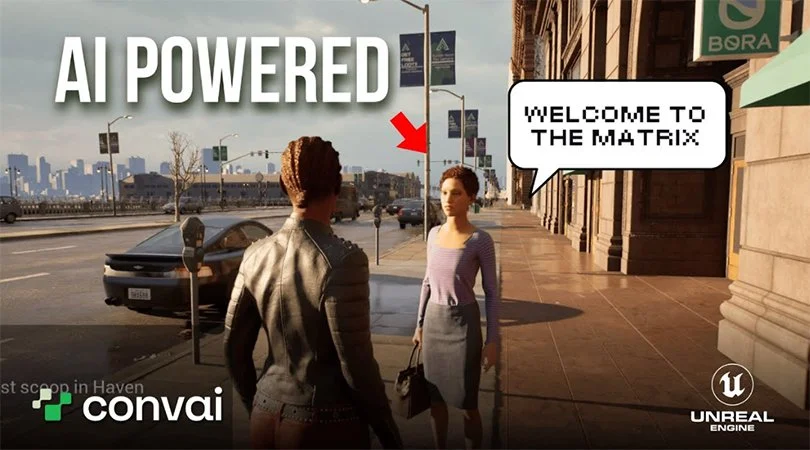
Unreal Engine and Unity now allow artists to create cinematic work at a fraction of traditional feature budgets. Real-time lighting, virtual cameras, instant iteration, and increasingly realistic digital humans mean small teams can now produce work that rivals high-end game cinematics, and soon, even feature-level visuals.
Hybrid pipelines are emerging everywhere:
3D animation combined with Unreal
AI-assisted previs and layout
Stylized 2D mixed with 3D worlds
Live-action blended with animation
Games that look like films
Films that play like games
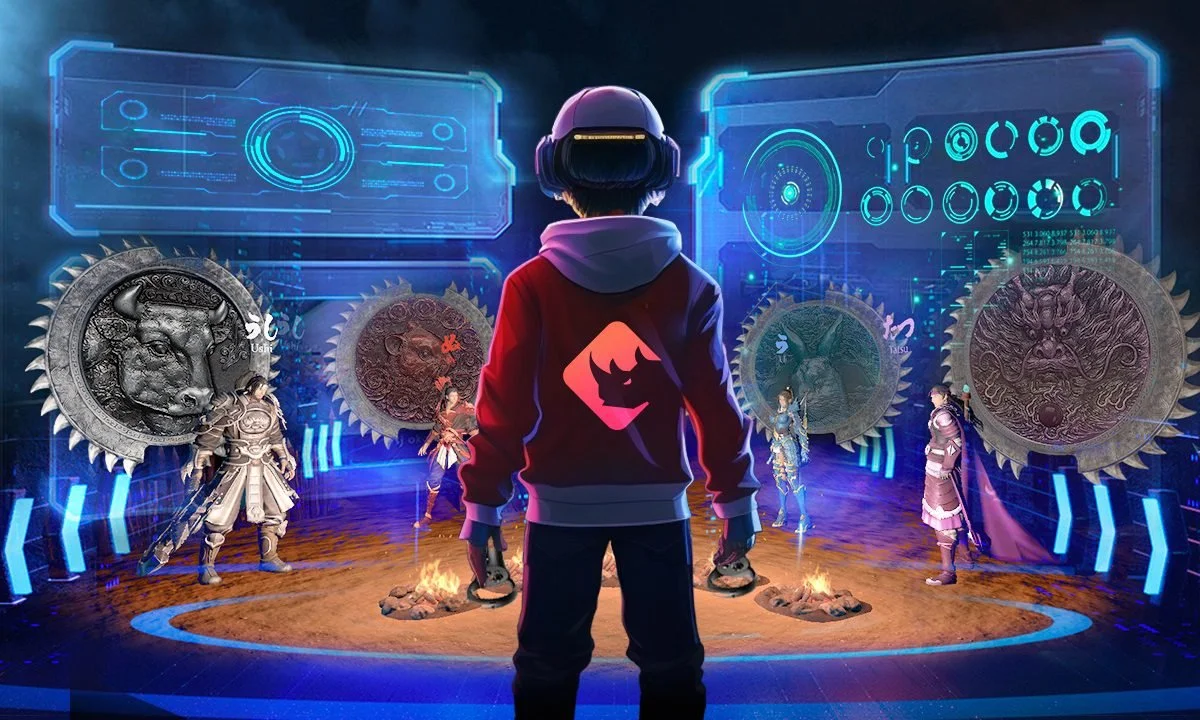
Augmented reality and virtual reality experiences
These pipelines don’t require 300-person crews anymore.
They require vision.
Will Jobs Change? Yes. Will Opportunity Shrink? No.
Some traditional roles will absolutely shrink. That’s real. But here’s the counterpoint no one talks about enough:
What if these tools allow creators to make 10x, or even 100x, more content?
When production costs drop, creativity expands. When barriers fall, voices multiply. When technology accelerates, storytelling accelerates with it.
This doesn’t mean fewer stories, it means more.
Artists as Entrepreneurs
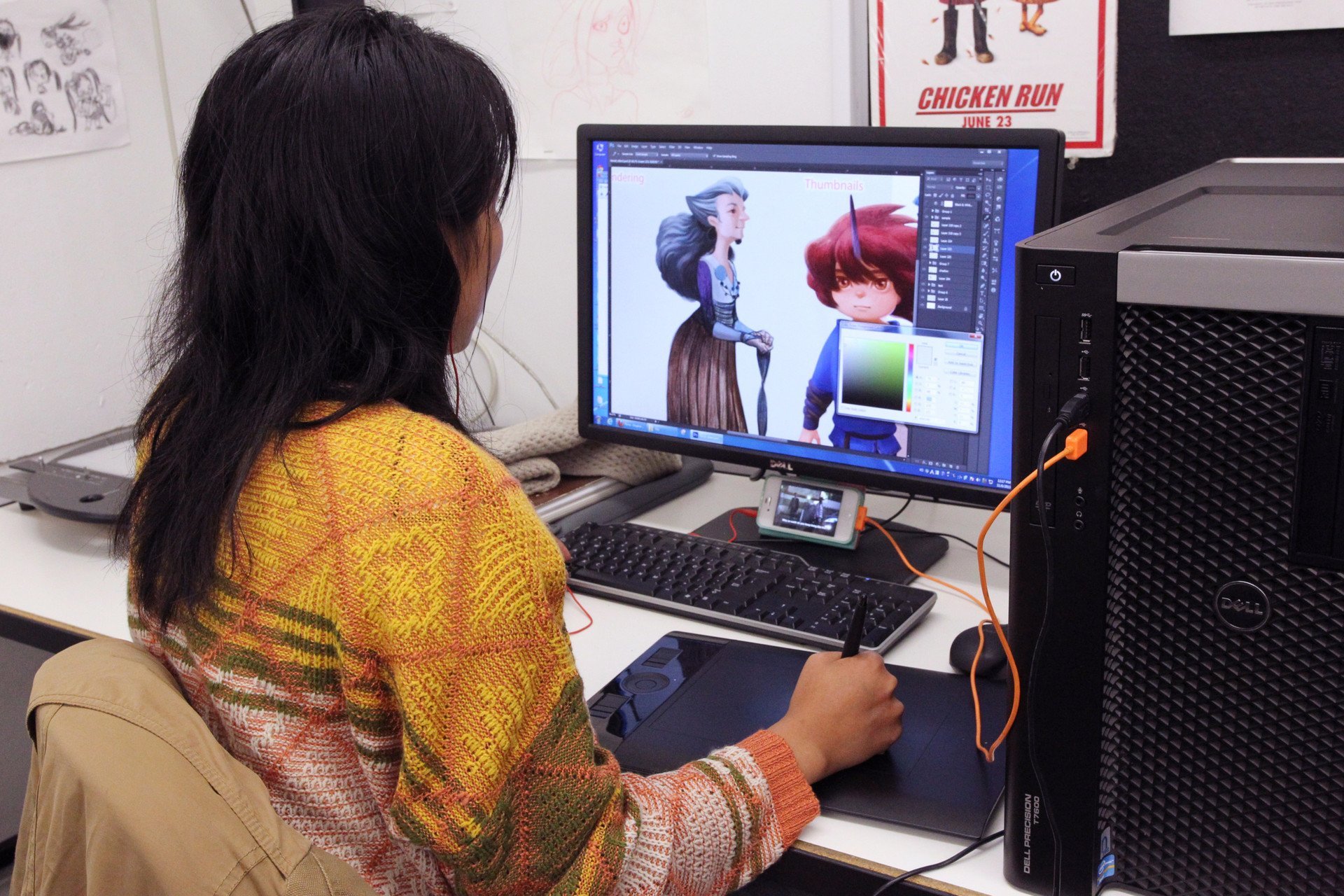
At Hollywood Animation Academy, we encourage artists to think of themselves not just as employees, but as creators and entrepreneurs.
Making your own content today is more achievable than most people realize. Straight-to-consumer cartoons, short films, web series, stylized pilots, games, and hybrid projects are no longer reserved for studios with massive budgets.
You can:
Team up with a few collaborators who complement your skills
Develop multiple original IPs together
Balance studio work with personal projects
Own your voice while building a sustainable career
This is the same mindset used by indie game developers - and it’s coming rapidly to animation.
The Pushback Against AI—and Why It Matters
There is strong, emotional pushback against AI in the creative world, and that matters. Not because AI will disappear, but because it reinforces something critical:
Audiences still value intentional, crafted artistry.
As AI content floods the market, taste, trust, and authorship become more important, not less. People will gravitate toward creators whose work shows clarity, emotion, personality, and storytelling intent.
The future isn’t either AI or animation.
It’s balance.
The Future Is Bright, for the Adaptable
2D and 3D animation remain the emotional heart of entertainment. Games, films, series, immersive worlds, animation is the connective tissue across all of it.
Animation is not going away.
It’s expanding.
Artists today have more tools, more platforms, and more control than any generation before them. The opportunity is massive, but only for those willing to learn, adapt, and embrace storytelling over rigid identity.
The future doesn’t belong to people who protect one tool.
It belongs to storytellers with infinite toolkits.
And that future is just getting started.
Try out an intro to animation course - starting in March 2026
If you want a safe, smart, and exciting way to explore animation before committing to a full program, Hollywood Animation Academy’s Intro to Animation Online class is exactly designed for that. Join a small group and your instructor online live via zoom one evening a week for eight weeks.
You’ll learn real industry tools hands-on with software access
Build your first professional-quality animations
Understand how storytelling actually works
Discover what part of animation you’re best at
Get taught by people who have worked in real studios
And walk away with portfolio pieces, not theory
Before choosing a college or committing to an animation career path, this class gives you clarity, confidence, and a real taste of the industry.
If you’re serious about your creative future, start with the Intro to Animation Online class at Hollywood Animation Academy. It’s the safest and smartest way to find out if animation is truly your passion!